Signs of Low Emotional Intelligence (And How to Grow)
Recognize the signs of low emotional intelligence in yourself or others. Learn why these patterns develop and practical steps for building greater emotional awareness.
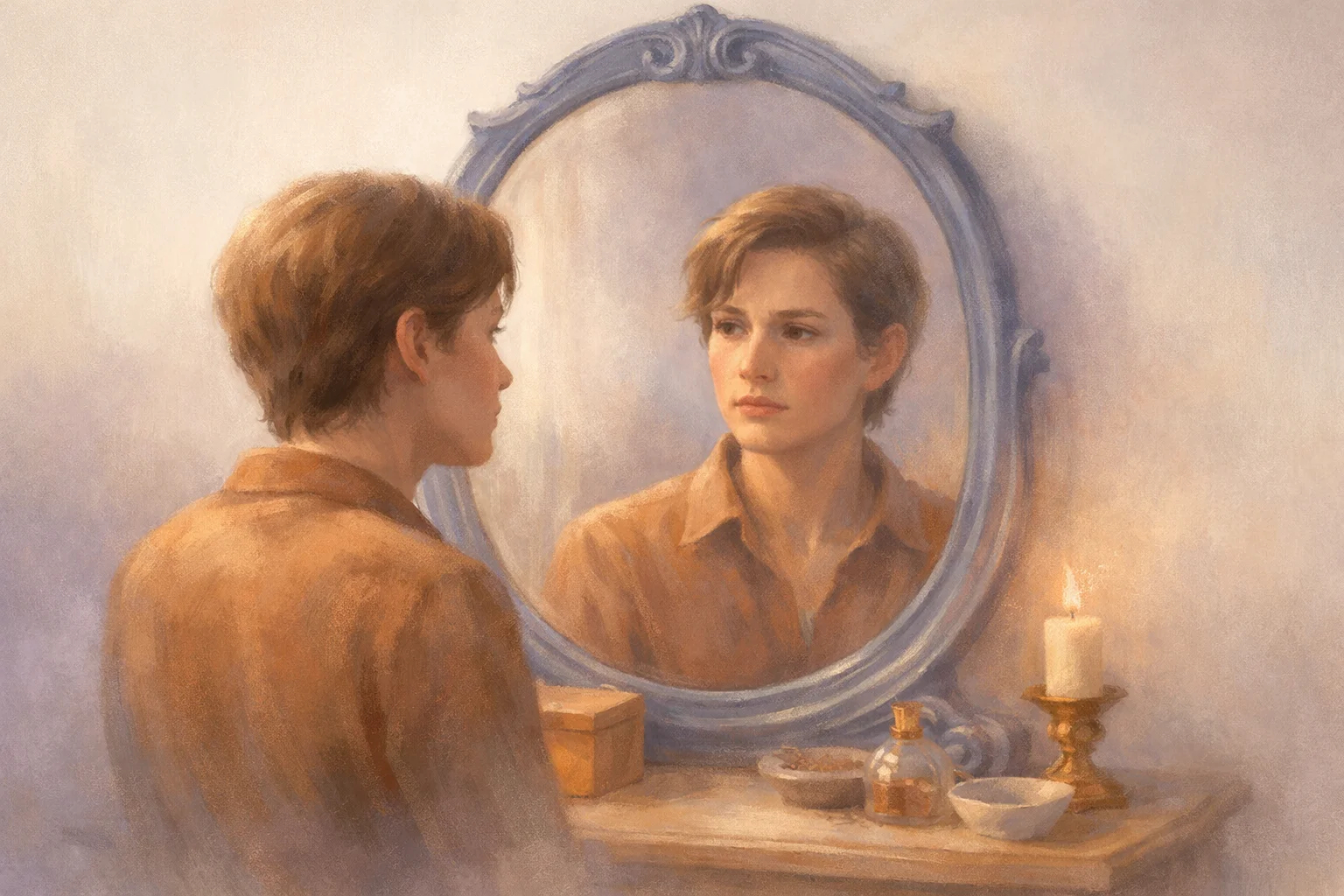
Emotional intelligence isn't something we're born with in fixed amounts. It develops through experience, modeling, and practice. Some people grow up in environments that cultivate emotional awareness and skill. Others don't. Either way, emotional intelligence can be developed at any age with the right understanding and effort.
Recognizing signs of lower emotional intelligence, whether in yourself or others, isn't about labeling or judging. It's about identifying specific patterns that can be addressed and improved. Everyone has areas of emotional skill that need development. Honest assessment of where those areas are is the starting point for growth.
If you recognize yourself in some of these patterns, that's valuable information. It means you're developing the self-awareness that's the foundation of emotional intelligence itself.
Common Signs of Lower Emotional Intelligence
These patterns tend to appear across multiple areas of life when emotional intelligence is underdeveloped. Most people will recognize at least one or two in themselves. That's normal. The question is whether patterns are frequent enough to significantly impact relationships and outcomes.
Difficulty Identifying Your Own Emotions
When asked "how do you feel about that?", do you struggle to answer? Do your emotions often surprise you, seeming to come from nowhere? Do you find yourself saying "I don't know" when people ask about your feelings?
Low emotional self-awareness manifests as disconnection from your internal emotional state. You might experience emotions intensely without being able to name them. You might not notice you're stressed until your body shows symptoms. You might act on feelings without realizing they're driving your behavior.
This disconnection isn't a character flaw. It often develops in environments where emotions weren't discussed, where certain feelings weren't acceptable, or where there wasn't space to develop emotional vocabulary.
Blaming Others for Your Emotional Reactions
"You made me angry." "They're the reason I'm upset." "Anyone would feel this way in my situation." These framings suggest external events directly cause emotional reactions, leaving no room for your own interpretation or regulation.
While external events certainly influence feelings, emotional intelligence involves recognizing that your reaction to events is at least partly yours. Two people can experience the same event and feel differently about it. Taking some ownership of your emotional responses is a sign of growing emotional intelligence.
Difficulty Recovering from Setbacks
Everyone experiences disappointment, rejection, and failure. Emotional intelligence includes the ability to process these experiences and move forward. Lower emotional intelligence often manifests as getting stuck: ruminating on setbacks for extended periods, struggling to regain equilibrium after emotional events, or having single failures affect your sense of self-worth broadly.
This doesn't mean emotional people have low EQ. Feeling things deeply is different from being unable to regulate and recover from feelings.
Struggling to Understand Others' Perspectives
When someone reacts in a way that doesn't make sense to you, what happens? Do you dismiss their reaction as irrational or wrong? Do you assume your perspective is obviously correct and theirs is mistaken?
Lower emotional intelligence often appears as difficulty imagining how others might see situations differently. Their feelings seem incomprehensible because you can only see the situation through your own frame. This isn't selfishness. It's a underdeveloped capacity for perspective-taking that can be built with practice.
Saying Things You Regret
How often do words leave your mouth that you immediately wish you could take back? Do important conversations often escalate into arguments? Do people seem hurt by things you say without you understanding why?
This pattern suggests difficulty with emotional regulation in the moment. The gap between feeling something and expressing it is too short to allow for thoughtful response. You're reacting rather than responding, which tends to produce outcomes you don't intend.
Difficulty with Criticism
When someone offers feedback, even constructively, what's your typical response? Do you become defensive? Do you explain why they're wrong or why the situation justified your behavior? Do you feel attacked when people point out things you could improve?
Lower emotional intelligence often makes feedback feel threatening rather than helpful. The ability to receive constructive criticism without becoming defensive is a core emotional skill that many people need to develop.
Misreading Social Situations
Do you frequently realize after the fact that you misjudged a situation? Do conversations end in ways you didn't expect? Do people seem to react to you in ways that don't match your intentions?
This pattern suggests difficulty reading emotional cues from others: facial expressions, tone of voice, body language, and context. When you miss these signals, you respond to situations as you perceive them rather than as they actually are, leading to disconnection between your behavior and what the situation calls for.
Relationship Patterns
Lower emotional intelligence often shows up as recurring relationship difficulties. Friendships that fade without understanding why. Romantic relationships that follow similar patterns of conflict. Colleagues who seem to avoid you. A sense that connecting with others is harder for you than it seems to be for others.
These patterns might reflect emotional blind spots that affect how you show up in relationships without your awareness. Others experience something about you that you can't see yourself.
Why These Patterns Develop
Understanding why emotional intelligence might be underdeveloped helps in developing it. These patterns usually have origins.
Modeling During Childhood
We learn emotional skills largely by watching others. Children raised by emotionally intelligent parents tend to develop emotional intelligence themselves. Children raised in environments where emotions weren't discussed, were dismissed, or were expressed destructively often develop less emotional skill.
This isn't about blaming parents. It's about understanding that emotional intelligence is learned, and some learning environments are more supportive than others. Whatever your starting point, you can build from here.
Emotional Suppression
Some people learn early that certain emotions aren't acceptable. Boys who learn that sadness is weakness. Girls who learn that anger is unladylike. Anyone who learns that emotional expression leads to punishment or rejection. This suppression doesn't make the emotions go away. It just pushes them out of awareness, making self-understanding harder.
Reconnecting with suppressed emotions can be uncomfortable but is essential for developing emotional intelligence.
Lack of Feedback
We often don't know how we come across to others because they don't tell us. People adapt around others' emotional limitations rather than naming them. Over time, you can develop patterns that affect relationships significantly without ever receiving clear feedback about what's happening.
This is why understanding how others see you is so important. Without external perspective, your self-perception might miss crucial information.
Stress and Overwhelm
Emotional intelligence capacity decreases under stress. If you're chronically stressed, overworked, or overwhelmed, you simply have less bandwidth for self-awareness, regulation, and empathy. What looks like low emotional intelligence might actually be a capacity problem: the skills are there but not accessible under current conditions.
Addressing baseline stress can free up emotional capacity you didn't know you had.
Growing Your Emotional Intelligence
Recognizing patterns is the first step. Here's how to actually develop greater emotional skill.
Start with Self-Awareness
You can't regulate emotions you don't recognize, and you can't develop empathy without first understanding your own emotional life. Self-awareness is the foundation everything else builds on.
Practice noticing and naming your emotions throughout the day. When you feel a strong reaction, pause to identify what you're actually feeling. Build vocabulary for emotional states beyond "good" and "bad." Notice physical sensations that accompany different emotions.
This practice might feel awkward at first, especially if you're not used to attending to your emotional life. That awkwardness is a sign you're stretching into new territory.
Practice the Pause
Between stimulus and response, there's a space. In that space is the choice of how to respond. Emotional intelligence partly involves widening that space so you can make conscious choices rather than automatic reactions.
When you notice yourself about to react emotionally, pause. Take a breath. Ask yourself: what do I actually want to communicate here? How will this response affect the relationship and outcome? This brief pause can transform reactions into responses.
Get External Perspective
Your self-perception has limitations. Seeking feedback from others fills in gaps in your self-knowledge. Ask for feedback specifically about emotional patterns: how you come across when stressed, how you handle disagreements, whether you seem to listen well.
Then receive that feedback without defensiveness. The defensive reaction to feedback about emotional patterns is itself a sign of lower emotional intelligence. Receiving feedback openly demonstrates and builds the skill you're trying to develop.
Study Others
Watch people who seem emotionally intelligent. How do they handle difficult conversations? How do they respond to criticism? How do they navigate conflict? What do they do when they're stressed?
You can learn emotional skills by observation, the same way you might have learned counterproductive patterns. Find models of what you want to develop and study how they do it.
Practice Perspective-Taking
When someone reacts in a way you don't understand, resist the urge to dismiss their reaction. Instead, genuinely try to imagine their perspective. What might they be feeling? What might their history make this situation mean to them? What might you be missing?
This doesn't mean agreeing with everyone. It means developing the capacity to understand perspectives different from your own. That capacity is central to emotional intelligence.
Be Patient with Yourself
Emotional intelligence develops over time through consistent practice. You won't transform overnight. You'll have setbacks where you react in ways you're not proud of. That's part of the learning process.
What matters is the overall trajectory. Are you becoming more aware of your emotions over time? Are you getting better at regulating your reactions? Are you understanding others more fully? Progress, not perfection, is the goal.
Try Portrait for Honest Self-Assessment
Portrait provides a structured way to understand how others actually experience you. When you complete a self-assessment and invite others to share their perspective, you learn where your self-perception matches reality and where blind spots exist.
The Johari Window framework shows the gap between how you see yourself and how others see you. That gap often contains the emotional patterns most important to address, the ones you can't see precisely because they're blind spots.
Portrait's anonymity allows people to share observations they might not share directly, including things about your emotional patterns that friends won't tell you face-to-face.
Try Portrait free and discover what others see in your emotional patterns.
The Opportunity in Recognition
If you've recognized yourself in some of these patterns, that recognition is itself a form of emotional intelligence. You're aware enough to see areas for growth. That awareness is exactly what you need to change.
Everyone starts somewhere. People with high emotional intelligence weren't born that way. They developed these skills over time, often through deliberate practice and honest self-reflection. The same development is available to you.
The patterns that have limited your relationships, career, or wellbeing don't have to continue. With awareness and practice, you can build the emotional skills that create better outcomes in every area of your life.
Start with one pattern. Practice one skill. Notice what changes. The growth that's possible might surprise you.